
Something shifted in the way people talk about money.
It’s not new to be broke. Poverty is old. Debt is old. The desperation of watching the gap between what things cost and what you earn continues to widen—that’s not new either. But something about the texture of financial stress in 2026 is different. Something about it feels more personal, more relentless, and more invisible than it used to.
Let me try to say the thing people aren’t quite saying.
The math has stopped making sense

For a long time, the story told to people who were struggling financially was: if you work hard, make smart choices, get an education, you will be okay. The path was clear. The rules were supposed to work.
The path was always a lie for some people. It was a lie for people who were told to take out tens of thousands of dollars in student loans for schools that were actively scamming them. For disabled people who spent their early adult years trying to function in systems not built for them, falling behind on the metrics that determine creditworthiness and professional advancement while putting all their cognitive energy into just surviving their own nervous systems. It was a lie for people of color who were systematically excluded from wealth-building opportunities that were then pointed to as evidence that white families were simply “better with money.”
But now the math isn’t working for more people. The people who did “everything right” are financially terrified. People with advanced degrees are drowning. People who are employed full-time cannot afford housing in the cities where they work. And the response from the people at the top of the system is still, bafflingly, to suggest that the people at the bottom are making bad choices.
The disability tax nobody calculates
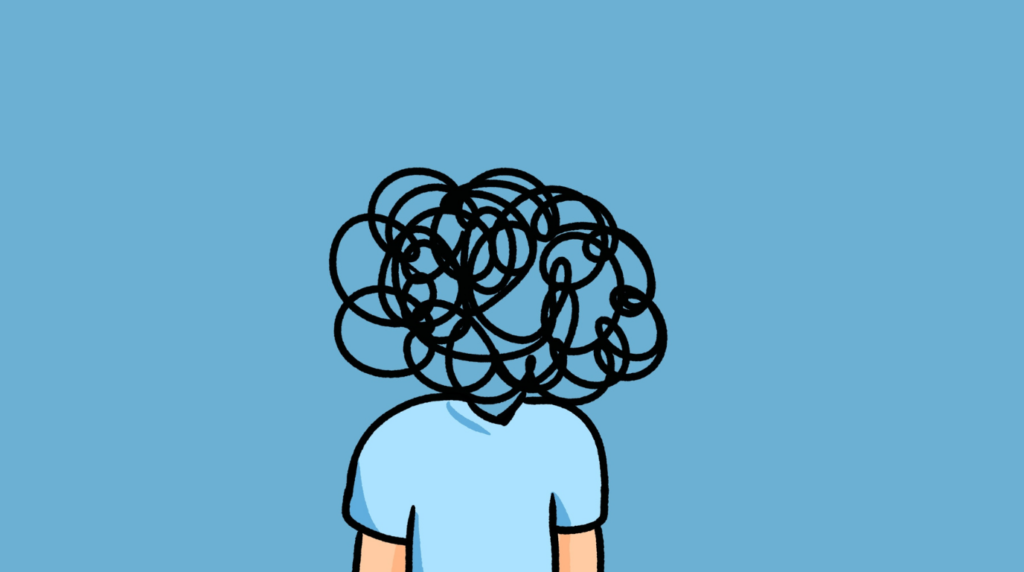
Here’s something that doesn’t get talked about in personal finance spaces: disability and neurodivergence cost money.
It costs money to manage sensory processing differently—specific clothing, specific headphones, environmental modifications. You money to eat in a way your body and nervous system can handle—because the cheap food is often the one that will wreck you. You money to get diagnosed, to pay for the therapy that helps you understand your own brain, to pay for the medication that makes it possible to function in neurotypical systems. It costs money to pay for someone to help you with executive function tasks. It costs money to live in housing that doesn’t assault your senses.
None of this is covered. Most of it isn’t even acknowledged as a real expense. And when you’re already working twice as hard as the people around you just to meet the baseline of what “functioning” looks like, the extra cost of supporting your own brain and body is not a luxury. It is the cost of participation.
Now layer on top of that: many autistic and neurodivergent adults are underemployed or unemployed not because they lack ability but because workplaces are built for neurotypical brains and the accommodations that would make them accessible are either denied or so costly in terms of social capital that people don’t ask for them. So you are paying more to exist, while making less.
This is not a personal finance problem. This is a structural problem.
The student loan hangover nobody warned you about

If you’re in your 30s right now, there is a very specific kind of financial grief that you might be carrying. It’s the grief of loans you took out before you had any idea what you were agreeing to, for an education that may or may not have delivered what was promised, in a system that has been in legal and political chaos for years.
I know what it feels like to be told you’re getting relief. To cry a little, honestly, and dare to imagine what your life might look like with that weight lifted. And then to have it taken back. And then to fight—at the level of bureaucracy, senators, open letters to people who will never read them—for what should have been justice.
The Art Institutes scammed students for years. Other for-profit schools did the same. And the students who were scammed—who were often first-generation college students, often students of color, often people with disabilities who were specifically targeted by these schools’ marketing—are still fighting for accountability. While the executives who ran those schools are fine.
That’s not a side note. That is the story.
The thing about being broke while advocating

There’s an invisible catch that not enough people name: advocacy itself is economically inaccessible. The people most directly harmed by broken systems are often the least resourced to fight them.
Showing up to city council meetings takes time off work. Filing complaints takes energy that is already depleted. Understanding your rights requires access to information that is often deliberately complicated. The legal system requires money. The political system favors donors. And the people who most need things to change are often the ones least able to sustain the fight, because they’re already burning everything they have just to get to tomorrow.
This is why every person who shows up—every single person who writes the letter, makes the call, shares the post, signs the petition, shows up to the meeting—matters. Not because one person will fix the whole thing. But because the people in power are counting on exhaustion. They are counting on people being too tired and too broke to keep pushing.
And some days you are. That’s real, and it’s okay, and you should rest.
And then come back.
The hardest part about financial stress in 2026
The hardest part is the shame. The particular, specific shame of being smart and capable and a whole human being who still cannot make the numbers work, in a culture that has decided financial stability is a moral achievement.
You are not bad with money because you’re broke. You may be broke because the system extracted it from you—through predatory lending, through the disability tax, through the pay gap, through the systemic exclusion from wealth-building that goes back generations, through the student loan crisis, through the healthcare costs, through all of it.
The shame is not yours to carry. The accounting is not yours to answer for alone.
Say it out loud if you need to: I am doing my best in a broken system, and my worth as a person has nothing to do with my bank account.
Now let’s fix the system.