
We have always praised children who make adults comfortable.
The ones who sat still. Who didn’t make a fuss. Who said “please” and “thank you” without being reminded. They never caused a scene and were, in the language adults used for children they prefer, good.
Good. What a thing to reduce a child to. What an absence of everything that matters—their inner world, their needs, their capacity for conflict that might actually teach them something—flattened into one syllable that really means: easy to manage.
Here’s what I’ve learned, both from being a child myself and from raising one: the “good kid” is often the most worried one in the room.
What we teach children when we reward compliance
When we praise a child for being quiet, for not reacting, for suppressing their needs and feelings so that the adults around them don’t have to deal with it—we are teaching them something. We’re teaching them that their internal experience is inconvenient. That the right way to exist is small. That love and approval are conditional on making other people comfortable.
For neurotypical children in relatively safe environments, this produces some well-documented patterns: people-pleasing, difficulty with boundaries, conflict avoidance, and the particular kind of low self-esteem that doesn’t look like low self-esteem because the person is so competent at managing everyone else’s feelings.
For autistic children, disabled children, and children from marginalized backgrounds, this goes deeper and does more damage, faster.
Autistic children who are rewarded for masking—for performing neurotypicality—learn that who they actually are is not acceptable. The stimming that regulates their nervous system is trained out of them. The way they communicate that isn’t eye-contact-and-social-smile gets corrected. The things that make them feel safe are removed in the name of normalizing them for a world that, spoiler alert, is still going to be hard for them even after years of those interventions.
This is what I mean when I talk about Applied Behavior Analysis—not the sanitized version that says it’s just teaching skills, but the honest reckoning with what it has historically done to autistic children: trained them to perform comfort for the adults around them instead of actually being comfortable.
The fawn response has roots in childhood
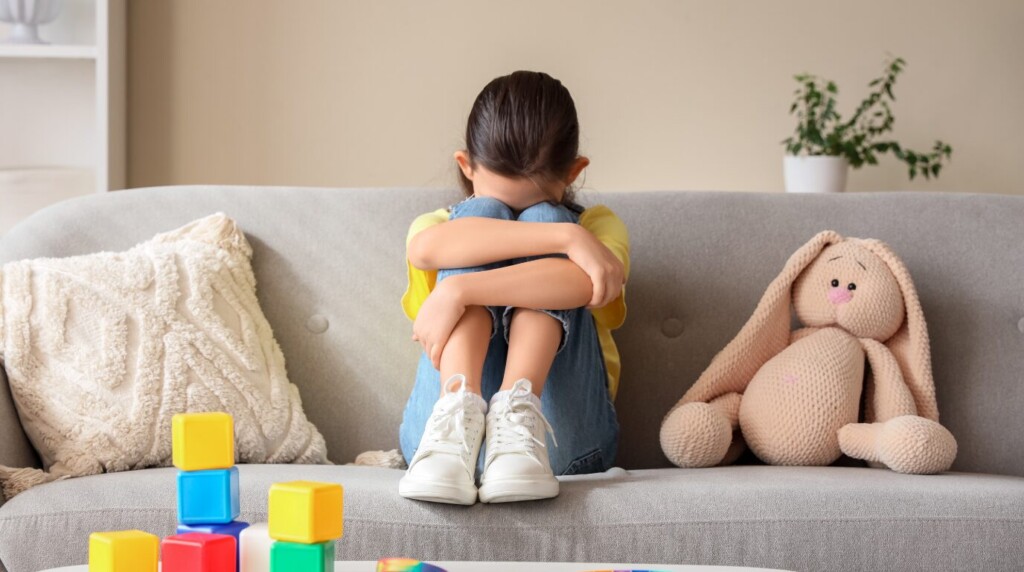
Most people have heard of fight or flight. Fewer have heard of fawn—the trauma response where you manage threat by trying to please the person causing it. You become agreeable, you read the room, and you anticipate what someone needs before they ask, because you learned early that conflict is dangerous and your job is to prevent it.
Fawn is not a personality type. It’s a nervous system response built from learning, usually in childhood, that your safety depended on someone else’s emotional state.
A lot of “good kids” are fawning kids. A lot of adults who were praised for being easygoing are people who learned to abandon themselves in real time to make other people feel okay.
And the particularly brutal irony is that we look at the kids who are visibly struggling—the ones who meltdown, who act out, who can’t sit still, who need and need and need in inconvenient ways—and we see a problem. We see something to fix. Meanwhile the ones who go quiet and fold themselves into acceptability get gold stars for a response that is, at its core, their nervous system learning to disappear.
The 2026 context: compliance culture is having a moment of reckoning
We’re in the middle of a cultural conversation about what we’ve been teaching children, and it’s uncomfortable for a lot of people. Because the adults who were praised for being “good kids” often became parents who wanted their children to be “good kids.” Not out of malice—out of love, and out of having been taught that this was how you raised a child well.
The pressure on parents right now is enormous. Children are being raised in a climate of economic anxiety, political instability, and the lingering wreckage of a pandemic that interrupted several of the most formative years of development for an entire generation. Parents are stretched. Teachers are stretched. Everyone wants the kid to just… cooperate. To make it easier. To be manageable.
And against that backdrop, we also have a generation of kids—particularly neurodivergent kids—who have been through more than most adults understand how to support. And who are expressing that in ways that make adults around them uncomfortable.
The autistic child who melts down at school is not a disruption to be managed. The non-speaking child who communicates in ways their teacher wasn’t trained to read is not delayed. The kid who tells their parent “I don’t want to hug Grandma” is not being rude. They are being honest, which is something we claim to want from children until the moment they do it.
What compliance actually teaches, long-term
Here is the accounting, done honestly.
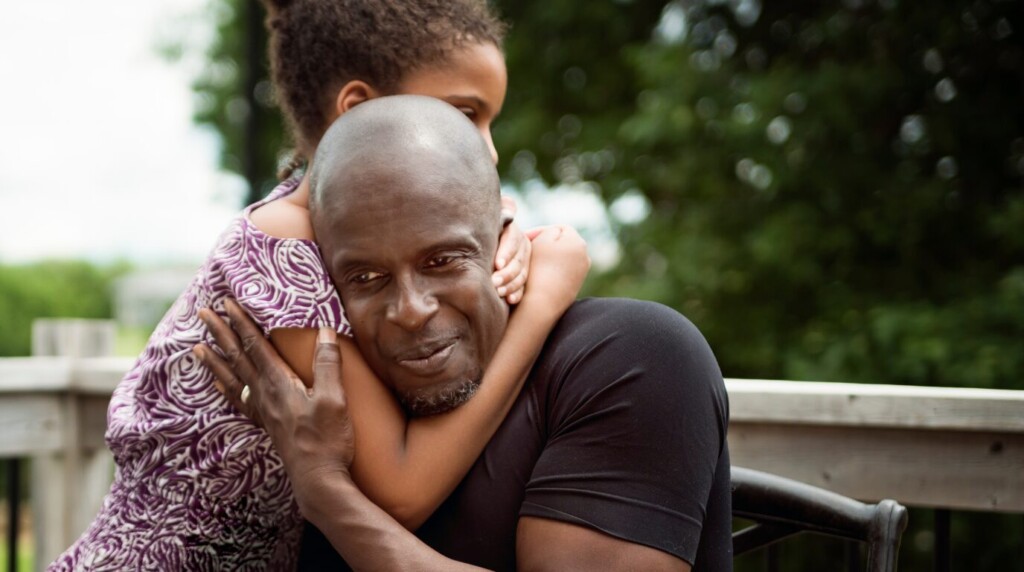
The child who learns to suppress their needs becomes the adult who can’t identify what they need. The child who learns that their emotional experience is an inconvenience becomes the adult who apologizes for having feelings. This same child who is praised for being easy becomes the adult who is exhausted by how hard they work to remain palatable to the people around them.
And often—not always, but often—that adult is sitting in a therapist’s office or reading a neurodiversity blog at midnight, putting together the pieces of why so much of their life has felt like performing in a play they didn’t audition for.
The “good kid” grew up. And they’re figuring out, usually at great personal cost, who they actually are.
What we could be doing instead
We could be teaching children that emotions are information, not performances. That “no” is a complete sentence and saying it is not a character flaw. That needing help or accommodation is not weakness—it’s information about what they need to function well.
We could stop measuring the success of childhood interventions by how acceptable the child becomes to neurotypical observers. And start measuring it by whether the child feels safe, understood, and capable of expressing who they are.
We could let autistic children stim without consequence. Let disabled children participate in ways that make sense for their bodies and brains. Let children from marginalized backgrounds see their experiences and identities reflected back to them as valid rather than as problems to code-switch away from.
We could stop calling a child “good” because they’ve made themselves invisible.
Because the invisible child is not fine. They are surviving. And surviving and thriving are not the same thing.
Your kids deserve to thrive. Even the ones that make it harder.