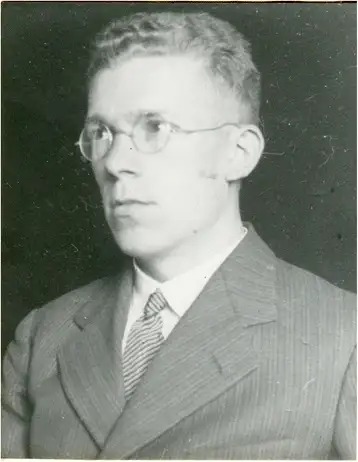
Asperger’s Syndrome: A Brief History Lesson
Learn more about Asperger’s Syndrome why this outdated term should stop being used to describe autistic people.
Humans are weird and brains are complex. Neurodiversity is a term that encompasses the neurotypical and the neurodivergent.
Is anyone truly neurotypical? Maybe not but Western society has created standards that set expectations for everyone to conform, cultivating its definition.
Neurodiversity is beautiful, it’s simply the diversity in how humanity thinks. It’s what makes us human and sets us apart from the rest of the animal kingdom.
Learn more about Asperger’s Syndrome why this outdated term should stop being used to describe autistic people.

Understand how and why members of the autistic community are marginalized both historically and currently.
Want to know more about autism and the autistic experience? This month, Integrity Speech Therapy decided to ask me, an autistic person.
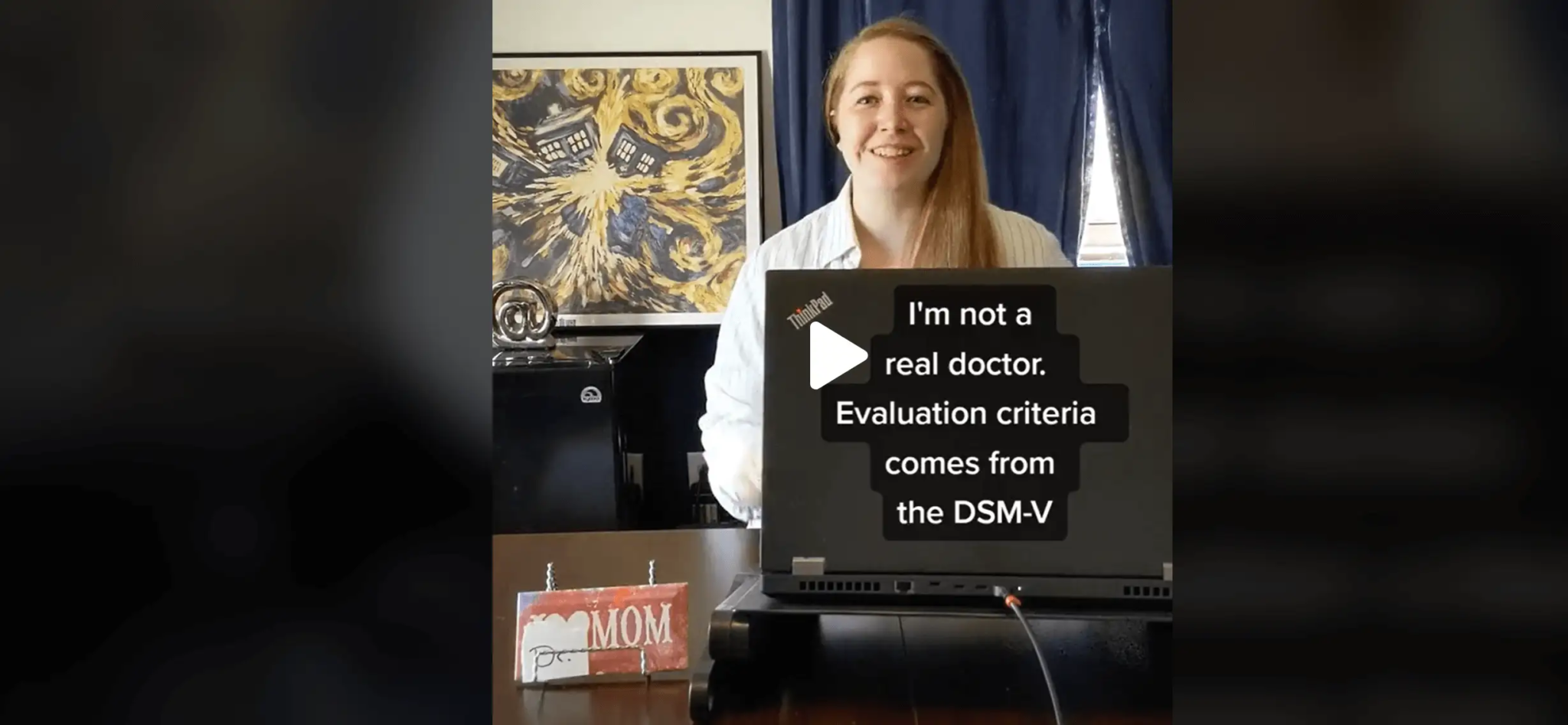
Learn about the privilege of receiving a clinical autism diagnosis, the hurdles autistic people face, and why self-diagnosis is completely valid.
If you’re questioning if you or a loved one may be autistic, check out my Autism Self-Diagnosis Guide based on the diagnostic criteria from the DSM-5.
Support Keeping All Students Safe (KASSA) by Stopping the Shock! FDA’s ban on a dangerous electric shock device was overturned by angry parents and therapists.
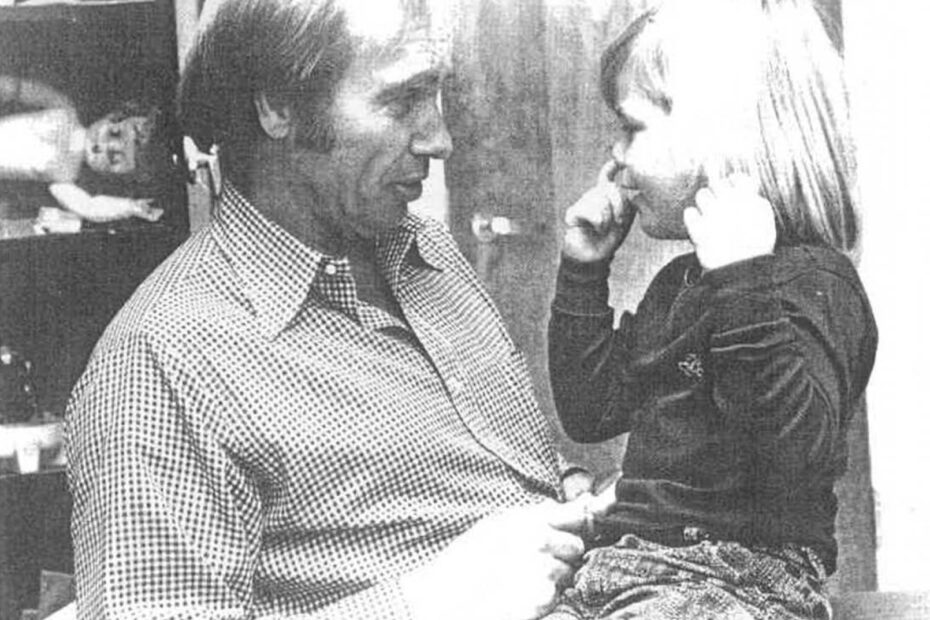
Ole Ivar Lovaas, the founder of Applied Behavior Analysis (ABA) is interviewed about his dehumanizing perspective of autistic people that led to his abusive and torturous methods to force compliance in his autism treatment.
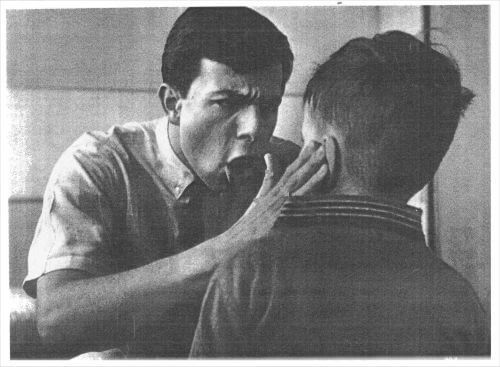
Learn about Applied Behavior Analysis (ABA) and its founder, Ole Ivar Lovaas, and his early tests on autistic children at UCLA.
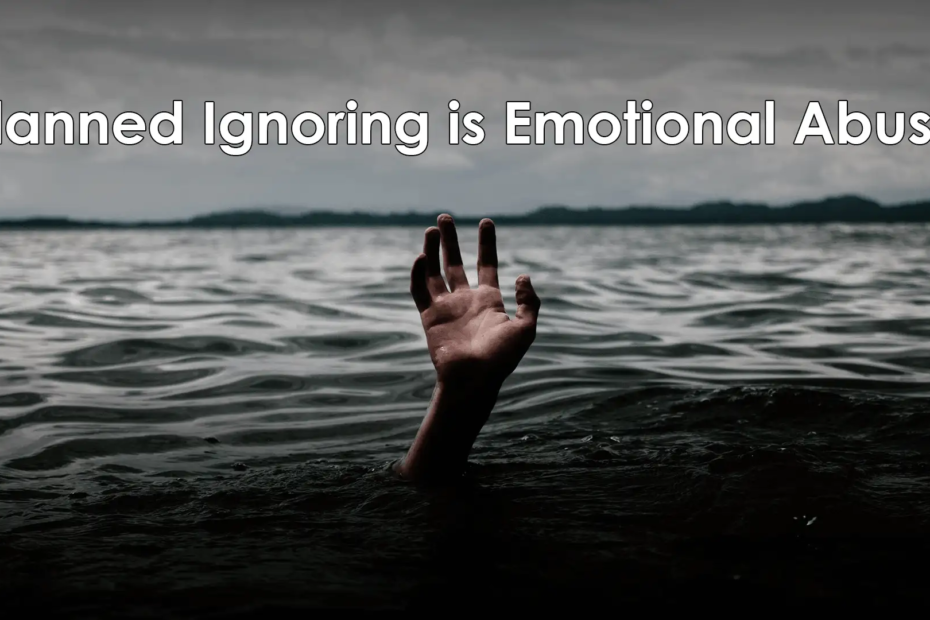
Planned Ignoring, or attention extinction, is an abusive technique recommended by Applied Behavior Analysis (ABA) for autism treatment.
Listen to autistics, parents, and a former ABA therapist discuss why Applied Behavior Analysis (ABA) is abuse for autistic people in this hour-long webinar.
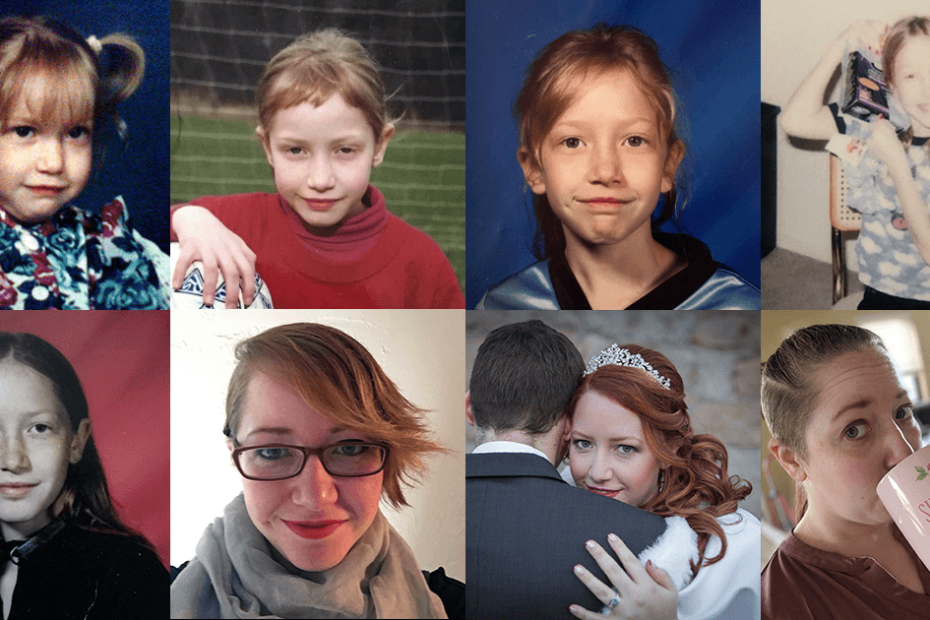
I didn’t know I was autistic until I was an adult, but I knew that I was different from an early age. There’s been a pattern to my life that not even “professionals” could see until I had lived it long enough—until I struggled long enough.
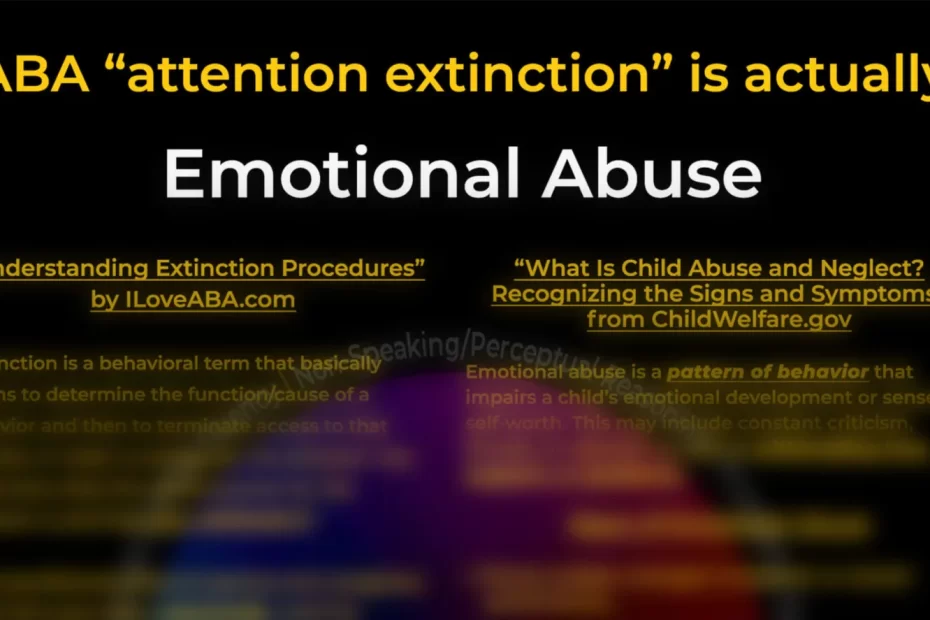
ABA procedures like attention extinction can cause more harm than good. Let’s explore the unethical science behind this evidence-based practice and why it’s abusive.