Understanding Autism through the Actually Autistic Lens
The Trio Training Academy at PennState University hosted a 3-day Autism Conference with 12 sessions, all with actually autistic speakers.
Humans are weird and brains are complex. Neurodiversity is a term that encompasses the neurotypical and the neurodivergent.
Is anyone truly neurotypical? Maybe not but Western society has created standards that set expectations for everyone to conform, cultivating its definition.
Neurodiversity is beautiful, it’s simply the diversity in how humanity thinks. It’s what makes us human and sets us apart from the rest of the animal kingdom.
The Trio Training Academy at PennState University hosted a 3-day Autism Conference with 12 sessions, all with actually autistic speakers.
Check out this list of book recommendations about autism, ADHD, behavioral challenges, and communication from Dr. Bethany Ziss, Developmental-Behavioral Pediatrician.
My mother, a single parent, couldn’t compete with the perfect father that lived in my head.

The truth about ABA is that it’s just a business making profit off your disabled children and parents are the customers.

Adult watchers of the children’s Austrailian TV show “Bluey” have noticed the titular character isn’t neurotypical. So they wonder, is Bluey autistic? See what this autistic adult believes.
This event is in-person at the Beth El Synagogue so seats are limited. Come listen to speakers like Dr. Edwin King, Joyce Bender, Amy Guthrie, and more.

Learn about some of the fake allies and the mental gymnastics they go through to maintain their reality.
What better way to learn about autism than from an autistic person? Learn why autistics are unmasking for their mental health.
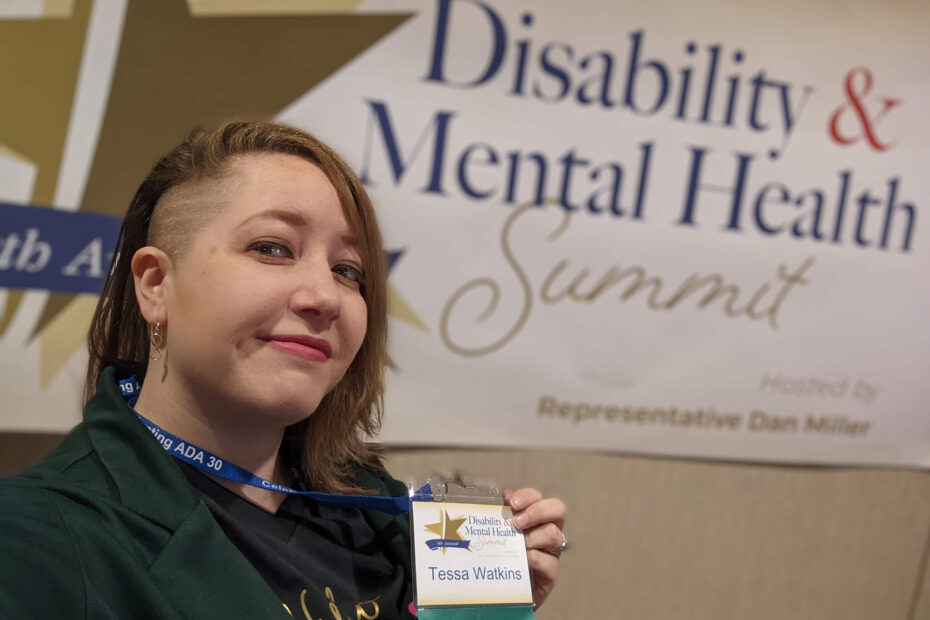
Registration is now open for the resource fair and final day of sessions for Dan Miller’s Disability & Mental Health Summit on May 26th, 2022! I’m speaking at 1pm so I better see you there!
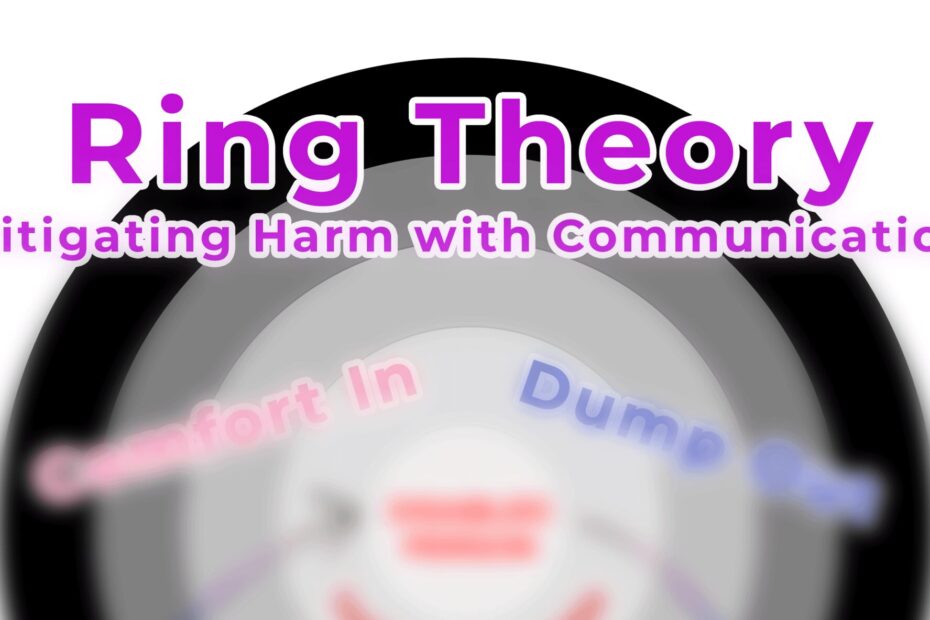
Learn about the Ring Theory created by Susan Silk and how it can mitigate harm caused by miscommunication in neurodiverse families.
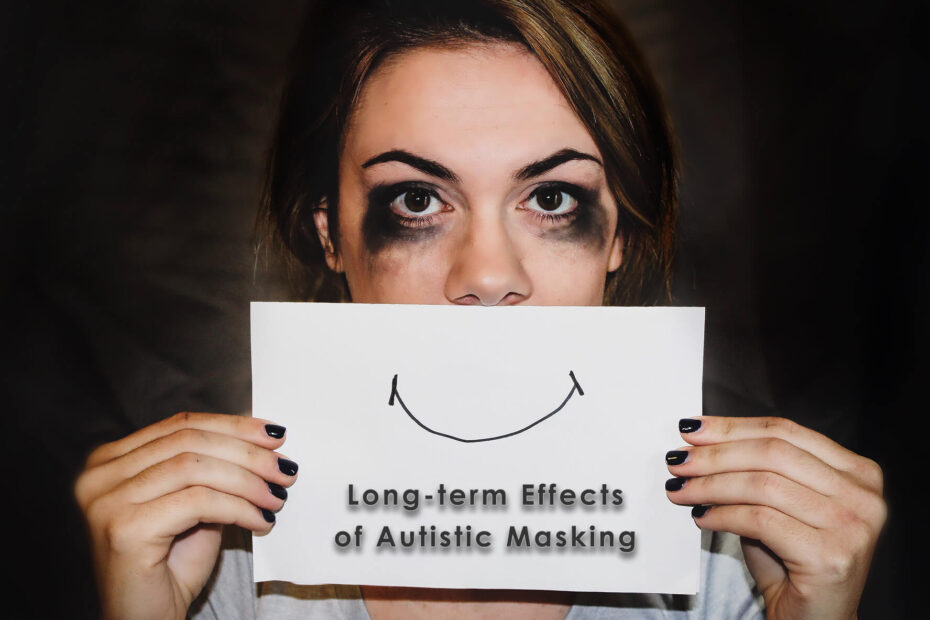
What are the long-term effects of autistic masking and what happens when it fails? Let’s talk about the survey results regarding when people are diagnosed.

Check out this FAQ on spoon theory. Share it with your friends and family when you’re too low on spoons to explain it to them.